Is WCW Going Out of Business

Is WCW Going Out of Business? Here’s What Happened

If you searched “Is WCW going out of business?” — the short answer is that it already did. WCW closed over two decades ago. But the story behind how a massively successful company collapsed so fast is worth understanding, whether you follow wrestling or just find business failures interesting.

This article covers when WCW ended, why it failed, who owns its assets now, and what real lessons its collapse offers.

WCW Is Already Out of Business — Here Is the Direct Answer

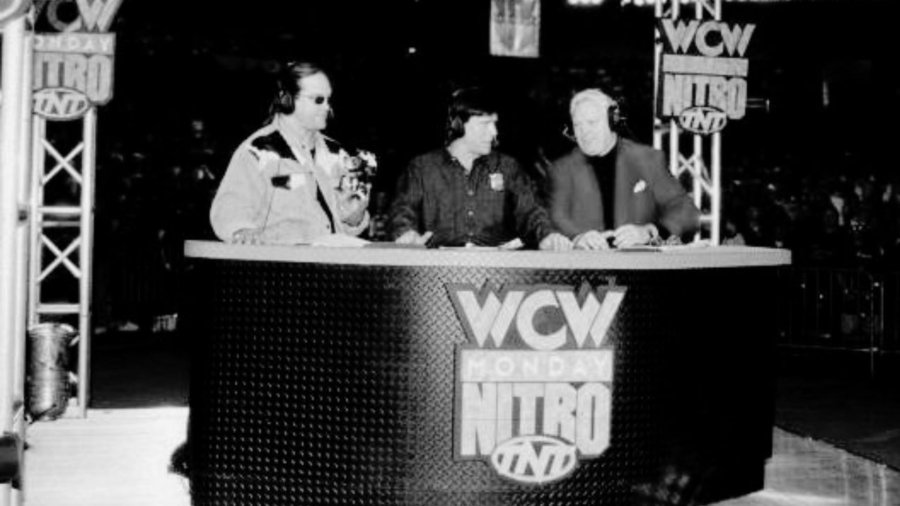
World Championship Wrestling (WCW) stopped operating as a promotion on March 26, 2001, when its final episode of Nitro aired. Shortly after, WWF — now known as WWE — purchased WCW’s key assets, including its name, trademarks, and tape library.

The remaining corporate shell was kept alive for legal reasons under the name Universal Wrestling Corporation. That entity was officially dissolved in 2017. WCW has no active operations today and does not exist as an independent promotion.

One quick note on naming: some people confuse WCW with World Class Championship Wrestling (WCCW), a separate Texas-based promotion that closed in 1990. These are two different companies. This article is about World Championship Wrestling, the Turner Broadcasting-owned promotion from the 1990s.

What WCW Was and How Big It Actually Got

To understand why the collapse was so striking, you need to know how successful WCW had been. This wasn’t a small regional outfit. It was a legitimate national competitor to the WWF, backed by Ted Turner’s Turner Broadcasting.

During the Monday Night Wars of the late 1990s, WCW’s flagship show, Nitro, beat WWF Raw in television ratings for 83 consecutive weeks. At its peak, WCW was generating hundreds of millions in revenue and was one of the most-watched programs on cable television.

Its New World Order (nWo) storyline — built around Hulk Hogan, Kevin Nash, and Scott Hall — became a genuine pop culture moment. It drove massive audience growth and made WCW feel like the hottest thing in entertainment for a stretch.

That success is what makes the collapse so instructive. WCW didn’t fail from obscurity. It failed from the top.

The Real Reasons WCW Failed as a Business

No single cause killed WCW. It was a combination of financial, creative, and organizational problems that built up over time and made the company too fragile to survive when the real blow came.

Financial Mismanagement

WCW signed aging stars to large guaranteed contracts. The problem was that these deals were not tied to performance, attendance, or revenue. Talent got paid whether or not the shows drew money.

When ratings and live event revenue started dropping, the cost structure didn’t adjust. WCW kept paying out big contracts while bringing in less. That gap became impossible to close.

Poor Creative Decisions

The nWo storyline worked brilliantly — for a while. But WCW stretched it far past its natural end. Instead of creating new stories and elevating new talent, they repeated the same angles with the same people.

Think of it like a TV show that uses the same plot twist every season until the audience gives up. WCW viewers started switching to WWF, which had reinvented itself with its Attitude Era and built new stars that audiences cared about.

WCW also failed to develop credible new top-level talent. The same established names stayed at the top too long, and younger wrestlers who could have carried the company weren’t given the chance.

Backstage Politics and Chaotic Decision-Making

Power struggles between executives, talent, and bookers made consistent decision-making almost impossible. Some established stars had contract clauses that gave them influence over their own storylines. That kind of arrangement makes it very hard to run a coherent creative strategy.

Leadership also changed frequently. The instability at the top filtered down through every part of the organization.

A useful analogy: imagine a sports franchise that keeps signing aging veterans to guaranteed deals, doesn’t develop younger players, and changes coaches every other season. You might win some games early, but the long-term dysfunction will catch up with you. That’s a reasonable parallel for what happened at WCW.

Overextension

WCW also launched a second weekly show, WCW Thunder, which split the roster and creative focus. It added costs while diluting the quality of the main product. More programming didn’t mean more value — it spread the same resources thinner.

How AOL Time Warner’s Corporate Decision Ended WCW’s TV Life

All the internal problems were serious. But the event that made WCW’s collapse final was external: the loss of its television platform.

WCW’s entire business model depended on prime-time slots on TNT and TBS. Those shows were where WCW reached its audience. They were also the main driver of revenue. Without TV, WCW had no way to operate at scale.

After AOL merged with Time Warner, new executives — particularly Jamie Kellner at Turner Broadcasting — decided that wrestling no longer fit their network strategy. They cancelled WCW’s programming. According to an Adweek report at the time, WCW was placed on hiatus pending a sale, with the final Nitro set as a cutoff point.

Once TNT and TBS pulled the plug, WCW lost its distribution. Without a major TV deal, the company’s value as a standalone business dropped sharply. Potential buyers who had been interested walked away when they found out they wouldn’t be getting a TV deal as part of any purchase.

This is an important business lesson that goes beyond wrestling: if your entire operation depends on one distribution channel or one major client, losing that relationship can end your business almost overnight. WCW had no backup plan. When Turner pulled out, there was nothing left to fall back on.

How WWE Bought WCW and What It Actually Got

With potential buyers gone and no TV deal on the table, WWF stepped in and purchased select WCW assets at a price that was widely reported as a fraction of what the company had been worth at its peak.

WWE acquired the WCW name, trademarks, intellectual property, the tape library, and some talent contracts. It did not take on WCW as a functioning, competing promotion.

The final episode of WCW Nitro on March 26, 2001, was simulcast with WWF Raw — a symbolic moment that marked the end of the Monday Night Wars and the start of WWE’s dominance as the sole major national wrestling company.

WWE has since used WCW content in documentaries, retrospectives, and its streaming platform. The WCW brand occasionally surfaces for nostalgia purposes, but it has no independent life of its own.

What Happened to WCW’s Wrestlers After the Closure

Many top WCW talents were signed by WWE after the purchase. Others went to independent promotions or joined new companies that emerged later, including TNA (now Impact Wrestling). Careers went in many directions depending on the individual.

The closure removed a significant negotiating advantage for performers. With only one major national promotion left, wrestlers had less leverage when it came to contracts and creative control. That shift affected the industry for years.

Business Lessons from WCW’s Collapse

WCW’s story is a useful case study for anyone interested in how businesses fail — not just wrestling companies.

  • Guaranteed costs without performance conditions are dangerous. When revenue drops, those fixed costs keep going. WCW’s contract structure left it exposed.
  • Success can breed complacency. WCW’s ratings dominance made executives and talent overconfident. They stopped innovating when they needed to most.
  • Dependence on a single platform or client is a structural risk. WCW had no meaningful alternative to TNT and TBS. One corporate decision ended its access to audiences entirely.
  • Creative stagnation kills audience retention. Repeating the same formula works until it doesn’t. WCW had no plan for what came after the nWo.
  • Internal politics damage organizations slowly, then quickly. The power struggles at WCW didn’t cause an immediate collapse, but they prevented the kind of decisive action that might have turned things around.

For more practical business breakdowns like this, visit StepToBiz — the site covers real business topics in plain language.

The Bottom Line

WCW is not going out of business — it already went out of business in 2001, with its corporate remnant officially dissolved in 2017. WWE owns the brand, the tape library, and all related intellectual property.

The collapse wasn’t caused by one mistake or one bad actor. It came from years of financial mismanagement, creative stagnation, internal dysfunction, and ultimately a corporate decision by AOL Time Warner that pulled the TV platform WCW depended on to survive.

That combination — bloated costs, no strategic flexibility, and total dependence on one key relationship — is a pattern that applies well beyond wrestling. WCW’s fall is a clear example of what happens when a successful business stops adapting and assumes the good times will continue without doing the work to earn them.

Also Read:

Is Just Strings Going Out of Business

Is Just Strings Going Out of Business? Here’s the Truth

If you visited JustStrings.com recently and got a blank screen or an error, you’re not imagining it. The site is gone. This isn’t a server hiccup or a temporary maintenance issue. JustStrings.com has closed, and there’s a clear reason why.

This article covers what we know for certain, why it happened, where you can buy strings now, and what this situation should remind anyone who relies on small specialty retailers.

JustStrings.com Has Closed — What the Evidence Shows

JustStrings.com, the Milford, New Hampshire-based online string retailer, is no longer operating. As of early 2025, the website does not load. Multiple independent user reports confirm this, and at least one person received direct written confirmation from inside the company.

In February 2025, a customer reported receiving an email from Amy Arzoomanian, listed as Office Manager in the company’s BBB profile, confirming that JustStrings was closing its doors. The email described a planned wind-down, not a sudden collapse. The company was actively liquidating remaining stock at the time.

This is not a case of a hacked site, an expired domain, or a temporary outage. The closure lines up across multiple sources: the site is down, users have independently noticed it, and the internal email confirms it.

One important clarification: there is no public evidence of bankruptcy, lawsuits, or financial wrongdoing. This appears to be a deliberate business closure, not a failure. The BBB still lists JustStrings.com, Inc. at 20 Mont Vernon Street, Milford, NH, but small businesses often close without formally updating third-party listings. That listing alone doesn’t mean they’re still operating.

Why JustStrings Closed After 30 Years

According to the February 2025 customer correspondence, the owner retired after roughly three decades in business. The company then began winding down operations in conjunction with that retirement.

This is one of the most common ways small, owner-operated businesses end. When a founder builds a company without a succession plan — no partner to hand off to, no buyer lined up, no trained successor ready to take over — closure becomes the default outcome when they’re ready to stop working. It doesn’t matter if the business is profitable or well-regarded. Without a plan, the business ends when the owner does.

JustStrings had a real customer base. SiteJabber shows the company with a 3.1-star rating from 14 reviews, ranking 16th among music equipment sites. That’s a modest but legitimate footprint built over decades. The closure doesn’t appear to be driven by poor performance — it’s simply the end of a lifecycle that was never set up to outlast its founder.

The BBB profile identifies the president as Mr. Michael F. Jones, but the retirement has not been publicly attributed to any specific person by name in available sources. What’s confirmed is the reason: retirement, not financial trouble.

Will the JustStrings Brand Come Back in Any Form?

This is where things get less certain. The same February 2025 email mentioned that the company might continue offering its own-brand JustStrings strings after some restructuring. That word — might — matters.

This information comes second-hand through a customer reporting on a Reddit thread. There is no official press release, no new website, and no publicly visible successor operation as of the time of writing. Treat this as a possibility, not a confirmed plan.

If you want to check current status yourself, here are three practical steps:

  • Visit JustStrings.com directly to see if anything has changed — a redirect, a closure notice, or a new store.
  • Search recent threads on Reddit (r/Bass, r/Guitar) or musician forums for any updates about a relaunch.
  • Check the New Hampshire state business registry for “JustStrings.com, Inc.” to see if the entity has been formally dissolved or remains active.

For now, plan as though JustStrings is gone. If the brand resurfaces in some form, that’s a bonus — but don’t wait on it.

Where to Buy Strings Now — Practical Alternatives

JustStrings served a specific kind of buyer: someone who needed single strings in specific gauges, bulk orders for a repair shop, or hard-to-find sets that general retailers don’t stock. Here’s where to go based on how you used to use JustStrings.

For Single Strings and Unusual Gauges

Strings and Beyond (stringsandbeyond.com) is the most commonly mentioned alternative in musician communities. They carry a wide range of individual strings across brands and gauges, which makes them a close match for what JustStrings offered.

Fret Nation (fretnation.com) is another option, particularly mentioned for bass and guitar string needs. Worth checking if Strings and Beyond doesn’t carry the specific gauge you’re looking for.

For Bulk Orders and Repair Shops

If you’re a guitar tech or luthier who was ordering bulk single strings for client setups, the most direct path is buying from D’Addario directly or setting up a dealer account. Members of musician communities on Facebook have noted that D’Addario dealers can supply singles in bulk without upcharging per string — something worth exploring if volume is your priority.

Strings by Mail is another option that comes up in discussions about sourcing specific string types, particularly for orchestral and classical instruments. If JustStrings was your go-to for cello, viola, or upright bass strings, this is worth adding to your list.

For General Sets

Sweetwater, Guitar Center’s online store, and Amazon all carry mainstream string sets from major brands. They won’t have the same depth of selection for obscure gauges, but they’re reliable for standard orders and usually ship fast.

Local guitar repair shops are underrated here too. Many of them order strings in bulk from distributors and can pass on individual strings or sets to customers who ask.

What Happens to Open Orders and Warranties?

If you have an unresolved order or return from JustStrings, the options are limited but not zero.

First, check your payment method. Credit card disputes and PayPal buyer protection have time limits, but if the purchase was recent, you may still be within the window to file a claim. Don’t wait — contact your bank or PayPal now if you’re owed a refund.

For warranty questions on strings themselves: most strings don’t carry meaningful manufacturer warranties, but if you bought JustStrings-branded strings and believe they were produced by a major manufacturer under a private label arrangement, you can try contacting the likely manufacturer directly. That’s speculative, but worth a try if you have a bulk order with quality issues.

There is no official JustStrings policy statement available regarding how outstanding issues were handled during the wind-down. The general expectation in a planned closure is that existing orders would be fulfilled or refunded before the site went dark, but there is no specific confirmation of that process here.

What JustStrings Teaches Us About Relying on Small Specialist Retailers

JustStrings lasted about 30 years. That’s a real business. But it also illustrates a risk that many buyers don’t think about until it’s too late: owner-dependent businesses can disappear quietly and quickly when the owner decides to stop.

There’s also the broader pressure that small niche retailers face. Major manufacturers like D’Addario have moved increasingly toward direct-to-consumer sales. Large marketplaces make it harder for smaller operators to compete on price. A specialist can survive by serving customers who need depth of selection — but when the owner leaves and no one takes over, that competitive advantage disappears with them.

The practical takeaway for anyone who relies on a single-source specialist: keep a short list of backup suppliers. Know the exact specs of the products you buy (brand, gauge, material, SKU if possible) so you can search for them elsewhere without starting from scratch. Watch for early warning signs — slower shipping times, shrinking inventory, liquidation language on the site — and have a plan before you need it.

For more practical guidance on business decisions and supplier management, StepToBiz covers real-world situations like this one from a business owner’s perspective.

Final Thoughts

JustStrings.com is closed. The owner retired after roughly 30 years, the company wound down in a planned way, and as of early 2025 the site is offline. There’s no evidence of financial scandal or bankruptcy — just an owner-operated business that ended when the owner was done.

There may be some version of the JustStrings brand that continues in a restructured form, but that is not confirmed. Plan around it, not on it.

If you need strings now, Strings and Beyond, Fret Nation, D’Addario direct, and Strings by Mail are all workable alternatives depending on what you’re after. The selection won’t feel exactly like JustStrings at first, but the products you need are still out there — they just come from a different URL now.

Also Read:

Is Lucid Motors Going Out Of Business

Is Lucid Motors Going Out of Business? The Facts

Lucid Motors has posted billions in losses, missed earnings estimates repeatedly, and faces ongoing questions about its long-term survival. Yet the company is still producing vehicles, raising capital, and expanding its product lineup. So what is actually going on?

This article takes a factual, balanced look at Lucid’s financial position, how much cash it has left, whether its factories are still running, and what the real risk factors are for investors and customers.

Lucid’s Financial Position Is Strained but Not at a Breaking Point

The numbers are not pretty, but they do not tell a story of imminent collapse either. For the full year 2025, Lucid reported revenue of approximately $1.35 billion. That sounds like a lot, but the company posted an adjusted EBITDA loss of around $2.8 billion and burned through approximately $3.8 billion in free cash flow over the same period.

In Q1 2026, revenue came in at $282.5 million — roughly 20% higher than the same quarter a year earlier. But losses widened and came in below analyst estimates, which added to investor concern.

There is an important distinction to make here. Being unprofitable is not the same as being insolvent. Lucid is clearly the former. Whether it becomes the latter depends on how long it can sustain its current burn rate before generating enough revenue to cover its costs.

Think of it like a plane in flight. Revenue provides lift, but cash burn consumes fuel faster than the engines can refill it through normal operations. The question is whether the fuel in the tank — liquidity — is enough to reach the destination before the aircraft has to make an unplanned landing.

How Much Cash Does Lucid Actually Have Left?

This is the question most people want answered. As of Q1 2026, Lucid reported approximately $3.2 billion in total liquidity. That figure includes around $700 million in cash and investments, plus $2.5 billion in undrawn credit facilities.

Following an April 2026 capital raise and an expansion of its credit line, the company’s pro forma liquidity could reach approximately $4.7 billion. At the end of 2025, cash and cash equivalents stood at roughly $998 million, with total liquidity around $4.6 billion.

That is a meaningful financial cushion. But there is a key caveat: this liquidity is not self-sustaining. It depends on continued capital raises, disciplined spending, and improving revenue. If those conditions change, the runway shrinks quickly.

Lucid’s own representatives have stated publicly that the company has sufficient liquidity to carry operations well into the coming period. They have also categorically denied any bankruptcy plans. Still, it is worth separating what a spokesperson says from what the financial data actually shows — and the data shows a business that is solvent for now but highly dependent on outside funding.

The key takeaway: liquidity is not the same as profitability. A company can keep paying its bills while still losing money, as long as it has access to cash. Lucid currently does. The risk is whether that access continues.

Factory Operations and Production Are Still Active

Some online commentary — including YouTube videos with titles like “Will Lucid Survive 2026?” — has raised alarms about factory shutdowns and supplier disruptions. The reality is more nuanced.

Through Q3 2025, Lucid had produced approximately 9,966 vehicles cumulatively and delivered 10,496. In a separate reported period, the company produced 5,500 vehicles and delivered 3,093. These are active, functioning production numbers — not the figures of a business that has stopped operating.

Lucid has also confirmed that there are no current plans to suspend activities at its Arizona facility. The new CEO is conducting an operational review, and the company has paused formal production forecasts while assessing elevated inventory levels. But a production review is not the same as a shutdown.

Consider an analogy: if a clothing brand produces too many jackets going into a warm winter, it slows down manufacturing to clear existing stock. That is a supply management decision, not a signal that the brand is closing. Lucid adjusting production to work through inventory follows the same logic.

New operations leadership has also been brought in specifically to accelerate Gravity SUV production and prepare for the mid-size EV launch. That is not the behavior of a company planning to close its doors.

What Lucid’s Long-Term Plan Actually Says About Survival

At its 2026 Investor Day, Lucid projected achieving positive free cash flow “late this decade.” That phrasing matters. It means the company has built several more years of losses into its own roadmap. The plan is not to become profitable quickly — it is to survive long enough to reach the scale where profitability becomes achievable.

The core pillars of that plan include:

  • The Gravity SUV, which is already in production ramp and represents Lucid’s push into a broader market segment.
  • A mid-size EV targeted for launch in late 2026, designed to reach a wider range of buyers at a lower price point.
  • A robotaxi program, which signals the company’s ambition to move beyond consumer vehicle sales entirely.
  • Approximately $1 billion in annual service and software revenue by late decade, which is intended to create more stable, recurring income streams.

That last point is significant. One-off vehicle sales are lumpy and capital-intensive. Recurring software and service revenue — think subscriptions, over-the-air updates, and fleet management — is more predictable. The shift is similar to a hardware company adding a SaaS layer to its business model. The upfront investment is high, but if executed well, it changes the financial profile of the company substantially.

Whether Lucid can actually execute on all of this is the central question. But it is a plan, not a void. And it has been presented to investors with specific targets attached.

Key Risk Factors Investors and Customers Should Watch

Being balanced means acknowledging that Lucid’s situation carries genuine risks. Here are the ones that matter most:

  • Sustained cash burn: Burning $3.8 billion in free cash flow annually is not a small problem. Even with $4+ billion in liquidity, that runway has limits if revenue growth does not accelerate.
  • Missed estimates: Repeatedly coming in below analyst expectations — on both revenue and loss per share — erodes investor confidence and makes future capital raises more difficult or more dilutive.
  • Competitive pressure: Tesla, legacy automakers, and increasingly competitive Chinese EV brands are all fighting for the same buyers. Lucid’s premium positioning helps margins but limits volume.
  • Execution risk: Launching a mid-size EV, scaling a robotaxi program, and building recurring software revenue simultaneously is an ambitious agenda for a company that is still working through inventory challenges.
  • Ongoing legal pressure: A class-action investor lawsuit adds another layer of financial and reputational risk, even if it does not directly threaten operations in the short term.

For current Lucid vehicle owners, the most practical concern would be what happens to warranties and service if the company were to fail. That scenario is not imminent, but it is reasonable to monitor. For now, service operations continue normally.

How Does Lucid Compare to Other EV Startups?

Context helps here. Fisker filed for bankruptcy in 2024 after running out of capital and failing to stabilize production. Rivian, by contrast, has managed to stay afloat through a combination of Amazon fleet contracts, capital raises, and a Volkswagen partnership — though it too continues to post significant losses.

Lucid’s position sits somewhere between those two. It has more financial backing than Fisker did at a comparable stage, and it has a clearer technology differentiation story. But it has not yet secured the kind of large-scale commercial contract that gave Rivian a demand floor. That gap matters.

For anyone tracking business trends in the EV space and beyond, resources like StepToBiz can provide additional context on how startups navigate capital constraints and market pressures.

The Bottom Line

Lucid Motors is not going out of business today. It has substantial liquidity, ongoing production, a credible product roadmap, and continued investor backing. Those are not the conditions of a company on the verge of collapse.

At the same time, survival is not guaranteed. The company is burning cash at a significant rate, continues to miss financial estimates, and is operating in a market that has grown more competitive and more unpredictable. Its path to profitability is long and depends on executing several ambitious initiatives at once.

The honest answer is this: Lucid is a high-risk business operating in a difficult environment, with enough financial runway to stay in the game — for now. Whether that runway leads to a sustainable business or eventually runs out depends on decisions being made in the next two to three years. Watching production volumes, liquidity levels, and revenue growth rate will tell you far more than any single earnings report.

Also Read:

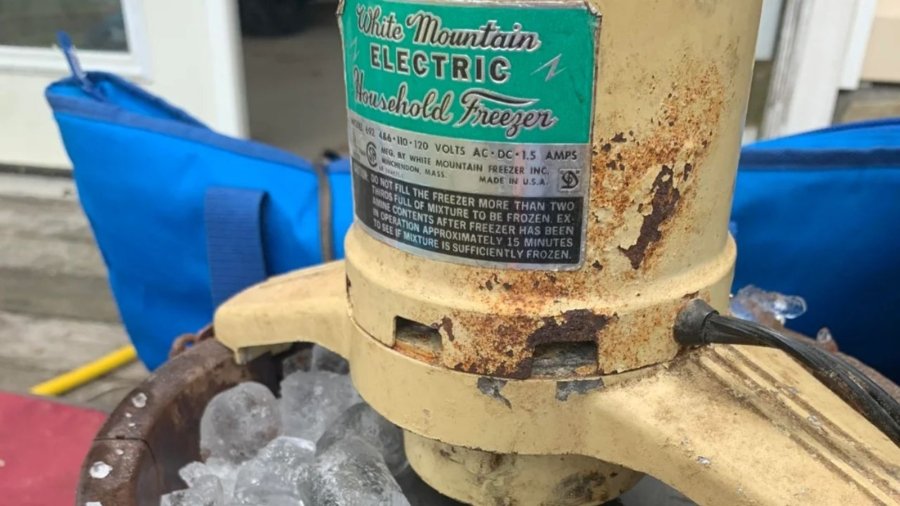
Is White Mountain Ice Cream Maker Going Out Of Business

Is White Mountain Ice Cream Maker Going Out Of Business?

If you searched this question recently, you are probably not alone. A wave of people have typed some version of “White Mountain ice cream maker going out of business” into search engines — and most of them are likely reacting to the wrong story.

Here is the short version: a beloved ice cream shop called White Mountain Creamery did close in 2025. But that shop has nothing to do with White Mountain Products, the brand that makes the hand-cranked and electric ice cream machines you may have in your kitchen or on your wishlist.

This article breaks down what actually happened, who owns the appliance brand, and what you should realistically expect if you are trying to buy or service one of these machines.

Two Different Businesses Share a Similar Name

The confusion here is understandable, but the two businesses are completely unrelated.

White Mountain Creamery is — or was — a local ice cream shop in Chestnut Hill, Massachusetts, near Boston College. It served the community for nearly 40 years. In 2025, it announced it was closing under its current ownership.

White Mountain Products is a separate appliance brand that makes ice cream makers. It operates as part of the Sunbeam products division and is identified as a subsidiary of Newell Brands, a large consumer goods company.

These two businesses share part of a name, but that is where the connection ends. Think of it this way: if a neighborhood restaurant called “White Mountain Diner” shut down tomorrow, that would have zero effect on a kitchen appliance brand that happens to use “White Mountain” in its name. The closure of one does not signal the collapse of the other.

The 2025 news coverage of the Chestnut Hill shop closing is almost certainly what sent people searching — and mistakenly connecting the dots to the appliance brand.

What Actually Happened to White Mountain Creamery in 2025

White Mountain Creamery in Chestnut Hill, Massachusetts, announced it would stop operating after nearly four decades under its current owners. The Coufos brothers, who ran the shop, decided to retire.

According to the Boston Globe, the brothers passed the physical location to New City Microcreamery, which plans to renovate and reopen the space under its own brand. WBZ NewsRadio and BC Heights confirmed the same timeline — the shop was ceasing operations, and a new business would eventually take its place.

This is a straightforward ownership transition. Two business owners reaching retirement age handed off their location to a new operator. That is not a bankruptcy. It is not a brand collapse. It is a normal end-of-career business handoff that happens in every industry, every year.

The story is local, specific, and completely separate from anything happening with ice cream maker appliances. If you came across a headline about “White Mountain closing” and felt a pang of worry about your old ice cream machine, this is where that worry came from — and it was misdirected.

What Is Known About White Mountain Products, the Appliance Brand

Here is where things get a little less clear-cut — and it is important to be honest about that.

White Mountain Products is identified in available records as a brand within the Sunbeam products division, operating as a subsidiary of Newell Brands. Newell Brands is a large consumer goods company that owns or has owned dozens of household brands. This means White Mountain Products exists within a corporate structure, even if the brand does not have a loud public presence right now.

There is no confirmed official announcement of bankruptcy, liquidation, or a formal shutdown of the White Mountain appliance brand. No press release. No public filing. No statement from Newell Brands or Sunbeam saying the line is done.

That said, the absence of a shutdown announcement is not the same as confirmed, active operations. These are two different things, and it matters for how you plan your next move as a consumer.

A brand can technically still exist — as a registered trademark, as an asset on a parent company’s books — without anyone actively manufacturing new units, restocking retailers, or answering customer support calls promptly. Large conglomerates routinely hold onto brand names while doing very little with them.

So the honest answer is this: the appliance brand has not been officially confirmed as shut down, but the available evidence does not paint a picture of a thriving, actively marketed product line either.

Why White Mountain Ice Cream Makers Are Hard to Find

This is probably the most practical part of the question for most readers. Whether or not the brand is “officially” active, many people simply cannot find the machines anywhere.

That experience is real and worth taking seriously — but it does not automatically mean the brand is gone.

When a parent company like Newell Brands deprioritizes a product line, a few things tend to happen quietly. Retailers stop reordering. Inventory thins out. Customer support becomes harder to reach. New product development stops. The brand essentially goes dormant without anyone officially declaring it closed.

Some anecdotal reports — including comments on forums and a blog post from Cottage Craft Works — suggest that customers who called for support were told the machines were no longer being manufactured. These are not official company statements. They are secondhand accounts from support calls, and they should be treated as signals worth noting, not as confirmed facts.

A blog from Mixed Kreations also floated claims about the brand still operating but going through financial difficulties. Again, this is a secondary source without strong corporate backing, so read it with appropriate skepticism.

The practical takeaway is this: if you are trying to find a White Mountain ice cream maker at a major retailer right now and coming up empty, that experience lines up with what others are reporting. Whether the brand is formally discontinued, quietly shelved, or simply undersupplied is not something the available public evidence can confirm with certainty.

What to Do If You Need a Machine or Parts

If you currently own a White Mountain ice cream maker and need service or replacement parts, your best move is to contact Sunbeam or Newell Brands directly through their official websites. Do not rely on blog posts or forum threads for current information — those can be years out of date.

If you are shopping for a new unit, check major retailers and resellers, including secondary markets where older inventory sometimes surfaces. Be aware that what you find may be old stock rather than a newly manufactured product.

If you are a small business owner or entrepreneur researching this brand for sourcing or resale purposes, the same advice applies: go directly to the source before assuming availability. For more practical business research guides on navigating brand and product status questions, StepToBiz covers topics like this regularly.

The Bottom Line

Here is what the evidence actually shows, stated plainly:

  • White Mountain Creamery, a local ice cream shop in Chestnut Hill, Massachusetts, closed in 2025 when its owners retired. New City Microcreamery took over the space.
  • White Mountain Products, the appliance brand, is a separate business entirely. It is connected to the Sunbeam division and Newell Brands.
  • There is no confirmed official announcement that the appliance brand has shut down, filed for bankruptcy, or been formally dissolved.
  • Retail availability is thin, and some anecdotal reports suggest manufacturing may have stopped — but these are not official statements.
  • The safest description of the appliance brand’s status is: not confirmed closed, but not confirmed actively operating at full scale either.

If you were worried that your ice cream machine brand disappeared because of a Boston-area shop closing, that worry was based on a mix-up. The shop and the appliance maker are different businesses.

If you are concerned about finding parts, getting support, or buying a new unit — that concern has more grounding in reality. The brand appears to have a limited retail presence, and getting a straight answer from the parent company is the most reliable path forward.

When brands go quiet inside large conglomerates, consumers are often the last to get a clear answer. That is frustrating, but it is also how the industry works. Do your homework directly with the source, and do not let a local shop closure story steer your research in the wrong direction.

Also Read:

Is Scentsy Going Out of Business

Is Scentsy Going Out of Business? The Real Answer

Scentsy has made several headline-worthy moves over the past year — layoffs, a compensation shakeup, event cancellations, and a class action lawsuit. Rumors spreading through consultant communities have left a lot of people asking whether the company is winding down.

This article gives you a direct answer on Scentsy’s current status, a clear breakdown of what has actually changed, and what those changes mean if you’re a customer, a consultant, or someone thinking about joining.

Scentsy Is Still Operating — Here Is Where Things Actually Stand

The short answer: Scentsy is not shutting down, filing for bankruptcy, or exiting the market in 2025 or 2026.

The company continues to operate as a direct selling home fragrance brand headquartered in Meridian, Idaho. Independent consultants are still actively selling products across multiple countries. No credible source — corporate, legal, or financial — has confirmed any closure plan.

What is happening is restructuring. Scentsy appears to be repositioning itself strategically, which looks alarming from the outside but is different from a company preparing to close. The changes are real and worth understanding — they just don’t point to an imminent shutdown.

Two Rounds of Layoffs — What Was Cut and What Was Not

There have been two separate workforce reductions, and both have fueled concern among consultants and customers.

The first round eliminated 116 positions at Scentsy’s Meridian headquarters, representing roughly 11% of the total workforce. This was reported by local journalists and industry outlets and is not in dispute.

A second round followed in Q2 2025, cutting approximately 87 additional corporate employees — around 11% of corporate staff. The roles affected were primarily in IT, digital marketing, strategic partnerships, and product development.

Here is the part that matters most for customers: manufacturing, warehousing, fulfillment, and shipping were not part of either round of cuts. The teams responsible for processing and delivering orders were left intact. If you placed an order after either announcement, it was handled on a normal timeline.

Think of it this way: a customer sees the layoff headline and worries their warmer order might be stuck in limbo. In practice, the cuts hit back-office corporate functions, not the operations floor. Orders were not affected.

For consultants, the impact is less about product availability and more about reduced support infrastructure — fewer trainings, changes to digital tools, or less marketing backup. That is a real adjustment, but it is not the same as a company preparing to close its doors.

The Compensation Plan Change and What It Means for Consultants

Starting March 1, 2025, Scentsy raised the required Personal Retail Volume (PRV) from 200 to 250 per month for consultants looking to qualify for certain compensation plan levels.

The key clarification here is that consultants who do not reach 250 PRV still earn 20% commission on their personal volume. The change raises the bar for advancement and bonus qualification — it does not eliminate earnings for lower-volume consultants.

For context: a consultant who was previously hitting 200 PRV and qualifying for certain bonuses now needs to sell more each month to reach those same thresholds. That means either growing their customer base, improving retention, or reconsidering which rank they’re actively pursuing.

This type of change is fairly common in direct selling companies that are under pressure to show genuine retail sales activity rather than growth driven mainly by recruitment. It shifts the model toward actual product movement, which regulators and critics of MLM structures have pushed for over the years.

The Catalog Shift, Event Changes, and the Affiliate Model Question

Several structural decisions have added to the “end is near” commentary circulating in consultant communities. It helps to look at each one clearly.

The Annual Perennial Catalog

Starting March 1, 2026, Scentsy is moving to an Annual Perennial Catalog — a stable core product line that stays consistent, with rotating seasonal and limited releases layered on top.

For customers, this actually means more consistency. Core products won’t disappear as frequently. For consultants, the pitch gets simpler, but excitement around new products shifts to limited collections rather than constant catalog refreshes.

This is a sensible inventory management move. It mirrors what many retail brands have done to reduce complexity and waste. It is not a signal that the company is preparing to stop selling products.

Event Cancellations and Virtual Shifts

Scentsy’s “Family Reunion” and similar consultant events have been moved to virtual formats or canceled outright, which has upset many in the community. Long-time leaders have called this out publicly, and some have used it as evidence that the company is pulling back.

Event cancellations do reflect cost-cutting — that part is fair. But many companies restructuring for long-term sustainability reduce in-person event spending as one of the first levers they pull. It is a cost control move, not necessarily a sign that operations are collapsing.

The Affiliate Model Question

Some YouTube commentary has raised the idea that Scentsy is quietly shifting away from a traditional recruitment-based MLM toward something closer to an affiliate marketing model — where consultants earn per sale rather than building and earning from downlines.

This is worth paying attention to. If true, it would represent a significant structural change for anyone whose income depends on team-building commissions. That said, this is currently commentary and interpretation, not a formal announcement. The discussion is based on pattern-reading from events, compensation changes, and leadership language — not an official policy document.

The analogy is useful though: some brands have made the shift from recruit-and-build structures to influencer-per-sale models. If Scentsy is moving that direction, it changes the opportunity for recruiters significantly while potentially making it a cleaner model for everyday sellers.

The Class Action Lawsuit — What We Know and What We Don’t

A class action lawsuit in California has been mentioned in consultant discussions and critical YouTube coverage. Legal pressure is real, and it is worth acknowledging.

What is less clear is the specific nature of the claims and where proceedings currently stand. Lawsuits in the direct selling space commonly involve compensation disclosure practices, income claim representations, or contractor classification issues. These are serious matters, but a lawsuit — even a class action — does not automatically mean a company will shut down.

Many companies have faced similar litigation, settled or restructured their practices in response, and continued operating. Legal pressure can actually drive the kind of compliance modernization Scentsy appears to be undertaking — better disclosures, clearer compensation language, a retail-sales-first approach.

Until there is a court ruling, settlement, or official filing that indicates otherwise, the lawsuit is a risk factor to monitor, not a confirmed death sentence for the company.

Why the Rumors Are Spreading — And How to Read Them

It is worth stepping back and asking why so many people are convinced Scentsy is about to collapse. The answer is that several real events hit in a short window: layoffs, a compensation change, event cancellations, leader departures, and a lawsuit. Each one on its own is a story. Together, they feel like a pattern.

Social media amplifies the worst-case read. A leader announces they are leaving and posts about it. Another person shares layoff news. Someone else connects the dots and titles a video “Is the End Near?” That content gets engagement, which spreads it further — and soon it looks like the company is on its last legs when it is actually restructuring.

This does not mean everything is fine. Scentsy is clearly under pressure, and the business model that worked a decade ago is being challenged by e-commerce competition, influencer culture, and regulatory scrutiny of MLM compensation structures. But “under pressure and adapting” is a very different situation from “shutting down.”

For anyone trying to make sense of business news beyond Scentsy, Steptobiz covers business trends and company developments in plain language worth bookmarking.

What This Means If You’re a Customer, Consultant, or Prospect

If You’re a Customer

Your orders are being fulfilled. The product catalog is being restructured, not discontinued. Core products will have more staying power under the new catalog model. You are not at risk of placing an order into a void.

If You’re an Active Consultant

The ground is shifting in real ways. The PRV increase, reduced event support, potential model changes, and a leaner corporate infrastructure all affect how you operate day-to-day. If your income depends heavily on team-building commissions, the potential shift toward an affiliate structure is worth watching closely. Review the current compensation plan directly from Scentsy’s official materials and make decisions based on where things actually are, not where rumors say they are headed.

If You’re Thinking About Joining

Read the income disclosure statement carefully. Understand the new PRV requirements and what they mean for earning bonuses. Consider whether the current model — and whatever direction it is moving — fits how you actually want to work. The uncertainty is real, and it is worth factoring in before committing.

The Bottom Line

Scentsy is not going out of business. It is restructuring — cutting corporate overhead, raising performance standards for consultants, overhauling its catalog strategy, and possibly repositioning its fundamental business model. That is a lot of change at once, and it creates legitimate uncertainty.

But restructuring and closing are not the same thing. The signs here point to a company trying to adapt to a changing market, not one preparing to wind down. Keep watching the official developments, make decisions based on verified facts, and be skeptical of conclusions drawn entirely from social media commentary and YouTube speculation.

Also Read:

Is Modivcare Going Out of Business

Is Modivcare Going Out of Business? The Real Answer

If you depend on Modivcare for medical rides or home care — or you’re a driver, a subcontractor, or an investor — hearing the word “bankruptcy” is enough to make your stomach drop. It sounds final. It sounds like everything is about to fall apart.

But here’s the thing: bankruptcy doesn’t always mean what most people think it does. And in Modivcare’s case, the story is a lot more hopeful than the headlines suggest.

This article walks you through exactly what happened — what kind of bankruptcy Modivcare filed, why they filed it, what changed for patients and drivers, and where the company stands right now.

Modivcare Is Not Shutting Down — But Here’s Why People Are Worried

Let’s get straight to the point: Modivcare is not going out of business. They filed for Chapter 11 bankruptcy on August 20, 2025 — but Chapter 11 is not the same as closing your doors.

There are two main types of bankruptcy most people encounter. Chapter 7 is the one where a company stops operating, sells off its assets, and shuts down for good. Chapter 11 is completely different. It’s about reorganization — the company stays open, keeps serving customers, and works through a legal process to restructure its debts.

Think of it this way. Chapter 11 is like a homeowner refinancing a mortgage they can no longer afford. They’re not handing back the keys. They’re working out a new arrangement so they can stay in the house. Chapter 7 would be walking away entirely.

Modivcare went through Chapter 11, restructured its finances, and exited bankruptcy on December 29, 2025. The company emerged as a privately owned entity and is still operating today. The process took 117 days from filing to completion.

One small note worth mentioning: some secondary sources mistakenly referred to Modivcare’s filing as “Chapter 13.” That’s incorrect. The filing was Chapter 11, in the Southern District of Texas.

What Modivcare Does and How Many People Depend on It

If you’re not familiar with Modivcare, here’s a quick picture of who they are and why their survival matters.

Modivcare is the largest non-emergency medical transportation (NEMT) provider in the United States. They coordinate roughly 36.8 million transportation trips every year — rides to dialysis appointments, doctor visits, therapy sessions, and more. They serve approximately 29.5 million members across 48 states.

Beyond transportation, they also offer personal care services and remote patient monitoring. Most of their work is tied directly to Medicaid and Medicare contracts. These aren’t optional services. For many people, a Modivcare ride is the only way they can get to a medical appointment.

Because Modivcare is so deeply woven into state Medicaid systems, states have a strong interest in keeping these services running. An abrupt shutdown would leave millions of vulnerable people without rides to critical care. That context matters — it’s part of why the restructuring was handled carefully and why service disruptions were minimized.

What Led Modivcare to File for Bankruptcy

So if Modivcare is so essential, how did they end up in bankruptcy court? It’s a fair question, and the answer comes down to a combination of debt, rising costs, and shrinking margins.

The company grew quickly over the years, partly through acquisitions. A 2021 purchase of Care Logistics added to an already heavy debt load, eventually pushing total debt to around $1.4 billion. That’s a significant number for any company to carry.

At the same time, Medicaid reimbursement rates weren’t keeping up with the actual cost of providing services. Labor costs went up. Transportation costs went up. And because a portion of Modivcare’s debt was floating-rate, rising interest rates made that debt even more expensive over time.

The financial numbers tell the story clearly. Revenue dropped from $684.5 million in Q1 2024 to $650.7 million in Q1 2025, partly due to contract losses and lower service volumes. The net loss widened to $50.4 million in Q1 2025, compared to a $22.3 million loss in the same period the year before.

This wasn’t a sudden collapse. It was a slow squeeze — costs rising faster than revenue, debt becoming harder to service, and margins getting thinner. Eventually, the math stopped working, and Chapter 11 became the practical path forward.

What the Restructuring Actually Changed

Here’s where the story starts to look better. The whole point of Chapter 11 is to come out the other side in a stronger position — and by the numbers, Modivcare did exactly that.

Before filing, Modivcare carried roughly $1.4 billion in funded debt. Through the restructuring process, they eliminated more than $1.1 billion of that debt — that’s over 85% gone. They also secured $100 million in new financing to fund operations during the process and support the business going forward.

When they exited bankruptcy on December 29, 2025, the company was carrying approximately $300 million in funded debt — a dramatically lighter load than before. That changes what the business can realistically sustain.

The plan had strong support before it even reached the courtroom. About 90% of first-lien lenders and 70% of second-lien lenders had already agreed to the plan before the filing. That’s what made it a “prepackaged” bankruptcy — most of the hard negotiations happened before the formal legal process began, which is part of why it moved so quickly.

Ownership also shifted as part of the restructuring. Modivcare emerged as a privately owned company, with control moving to the lenders and creditors who supported the plan. For existing public shareholders, that’s a painful outcome — equity holders in Chapter 11 cases often face significant losses or a total wipeout, and Modivcare’s case was no exception. The company was delisted from Nasdaq following the filing.

What This Meant for Patients, Drivers, and Subcontractors

This is probably the most practical question for most readers: did any of this actually affect the people who rely on Modivcare day to day?

The short answer is: not much. From the moment of the Chapter 11 filing, Modivcare was clear that service lines would continue operating as usual. Members kept their access to transportation. Claims and reimbursements were processed normally. Transportation providers and subcontractors continued to be paid.

Maine offers a good real-world example. Modivcare is a major provider for MaineCare, Maine’s Medicaid program. State officials and legislators were watching closely. After the restructuring was complete, Maine officials confirmed there had been no disruption to services or payments to drivers, and described Modivcare as emerging in “incredibly strong” shape.

That’s not a guarantee that every single provider had a perfect experience — but it reflects the overall picture that the bankruptcy process didn’t translate into chaos on the ground for the people who needed rides or the providers delivering them.

Where Modivcare Stands Now

As of the end of December 2025, Modivcare has completed its restructuring. The debt is dramatically reduced. The company has fresh capital. It’s privately owned. And it’s still operating.

That doesn’t mean everything is perfect. The structural challenges that caused the financial pressure in the first place — Medicaid reimbursement rates, labor costs, contract competition — haven’t disappeared. The company will still need to manage those carefully.

But the restructuring gave Modivcare something it didn’t have before: breathing room. With $300 million in debt instead of $1.4 billion, the business has a much better chance of covering its obligations and staying stable. That’s genuinely meaningful for the millions of people who depend on it.

If you want to stay informed about business news and financial stories like this one, Steptobiz covers business topics in plain language — worth bookmarking if you like staying in the loop without wading through jargon.

The Bottom Line

Modivcare is not going out of business. They went through a structured legal process designed specifically to help companies survive and rebuild — and they came out the other side with a much healthier balance sheet.

If you’re a Medicaid member who relies on Modivcare for rides, the evidence so far suggests your services should continue. If you’re a driver or subcontractor, payments were maintained through the process. If you were a shareholder, the outcome was painful — but that’s a separate story from whether the company itself survives.

The simplest way to say it: Modivcare went into Chapter 11 with a mountain of debt and came out with most of that debt gone. The company is still here, still operating, and by most accounts in a more stable position than it’s been in years. That’s not a disaster — it’s a difficult chapter that ended with the business still standing.

Is Factory Mattress Going Out Of Business

Is Factory Mattress Going Out of Business? What to Know

If you’ve driven past a Factory Mattress store in Central Texas recently and noticed “Going Out of Business” signs in the windows, you’re not imagining things. The chain is in the process of closing all of its locations, and shoppers are understandably asking what happened and what it means for them.

This article covers what’s confirmed: the bankruptcy filing, which stores are closing, what to do if you have an open order or warranty, and how to avoid confusing Factory Mattress with other similarly named retailers.

Factory Mattress Has Filed for Chapter 11 Bankruptcy

Factory Mattress, which operates legally under the name Southwest Mattress Sales, Inc., filed for Chapter 11 bankruptcy on June 7 in the Texas Western Bankruptcy Court, Austin Division. The company has been a family-owned Texas business since 1977.

Chapter 11 typically allows a company to reorganize its debts and keep operating. But in this case, there is no reorganization plan on the table and no reported buyer or acquisition in the works. The filing is being used alongside a full liquidation of retail operations.

In plain terms: Factory Mattress is going out of business. The stores are not restructuring or planning to reopen under new ownership. They are winding down, selling remaining inventory, and closing permanently.

Which Stores Are Closing and When

All Factory Mattress locations across Central Texas are affected. Confirmed closing stores include locations in:

  • Austin (Northwest, North, Southwest, and Lakeway)
  • San Antonio
  • Georgetown
  • Pflugerville

As of the most recent reporting, closing dates for most stores are listed as TBD. Stores plan to remain open until inventory sells through, which means there is no single fixed end date. The San Antonio locations, for example, are expected to close “whenever inventory runs out.”

Going-out-of-business sales are currently underway across locations, with discounts reported at up to 80% off on select products including mattresses, bed sets, comforters, and sheets. If you’re considering shopping a liquidation sale, it’s worth calling your local store first to confirm it’s still open and to understand the current terms of sale.

Because this situation is still active, closure timelines can shift. Check directly with your local store or follow local news outlets for the most current information on final closing dates.

What Customers With Open Orders, Warranties, or Gift Cards Should Do

This is where things get more urgent. If you’ve already spent money at Factory Mattress, you need to take action now rather than waiting.

Undelivered Orders and Paid Deposits

If you placed an order and paid a deposit but haven’t received your items yet, contact your local Factory Mattress store immediately. Once a retailer enters bankruptcy and ceases operations, unfulfilled orders typically become claims in the bankruptcy proceeding. That means getting your money back is not guaranteed and could take significant time, if it happens at all.

The sooner you make contact and document your situation, the better positioned you’ll be if you need to file a claim with the bankruptcy court.

Gift Cards

Gift card holders face similar risk. Once a retailer closes, unused balances on gift cards may not be honored. If you have a Factory Mattress gift card, try to use it now while stores are still open and accepting purchases.

Mattress Warranties

This is an important distinction that many customers don’t realize: mattress warranties are typically issued by the manufacturer, not the retailer. Factory Mattress sells mattresses from various brands, and each brand carries its own warranty terms directly with the customer.

Think of it this way. If you bought a mattress from Factory Mattress that came with a 10-year manufacturer warranty, that warranty doesn’t disappear just because the store closes. You would contact the mattress manufacturer directly, using your original receipt or purchase documentation as proof of the sale.

So if you have a warranty concern, skip the store and go straight to the brand that made your mattress.

Final Sale Purchases

Items bought during a going-out-of-business liquidation often carry limited or no return rights. Before purchasing anything during a closing sale, confirm the terms clearly. Assume that all sales may be final unless the store states otherwise in writing.

The overall situation is not unlike what happens when a local department store files Chapter 11 and then decides to liquidate. Customers see the big discount signs, but behind the scenes, a court is managing how the company’s remaining assets are distributed to creditors. Shoppers benefit from the discounts, but they take on more risk if something goes wrong with their purchase.

Factory Mattress Is Not the Same as Mattress Factory or The Original Mattress Factory

There is genuine confusion online between several mattress retailers with similar names. It’s worth clearing this up directly, because the situations affecting these businesses are completely different.

Factory Mattress (Texas)

This is the Texas-based chain discussed throughout this article. It operates under Southwest Mattress Sales, Inc., filed for Chapter 11 bankruptcy on June 7, and is in the process of closing all locations across Austin, San Antonio, Georgetown, and Pflugerville. Its closure is the result of financial distress.

Mattress Factory (Pennsylvania and New Jersey)

Mattress Factory is a completely separate company based in the Philadelphia and South Jersey area. It is also closing all of its stores after 26 years in business, but the circumstances are different. According to reporting, the closure is owner-driven, attributed to retirement and increased competition from online mattress brands and national chains. This is a planned exit, not a bankruptcy-driven liquidation.

The two companies share no ownership, no affiliation, and no legal connection. One closing has nothing to do with the other.

The Original Mattress Factory

The Original Mattress Factory is a third, separate business and has publicly stated that it is not going out of business. The company issued an official statement specifically to address the confusion caused by news coverage of the other two chains. It continues to operate normally.

If you’re a customer of The Original Mattress Factory, the closures affecting Factory Mattress and Mattress Factory do not affect you.

Why Mattress Retailers Are Struggling

Factory Mattress’s bankruptcy fits into a broader pattern that has been putting pressure on regional, brick-and-mortar mattress retailers for several years. Online brands—often called “bed-in-a-box” companies—have captured a growing share of the mattress market by offering lower prices, direct shipping, and extended trial periods.

At the same time, national chains with larger marketing budgets and more locations have made it harder for regional stores to compete on price. Add in high retail rents and the fixed costs of running showroom-style locations, and the business model becomes difficult to sustain.

This doesn’t make the closure any less difficult for Factory Mattress employees, customers, and the communities the chain has served since 1977. But it does explain why the news, while sudden for many shoppers, is part of a recognizable industry trend.

For anyone navigating a business closure situation—whether as a consumer or an entrepreneur—StepToBiz offers practical guidance on understanding business decisions and what they mean in the real world.

Final Thoughts

Factory Mattress, the Texas-based chain operating under Southwest Mattress Sales, Inc., is going out of business. The Chapter 11 filing is real, the store closures are confirmed across multiple Central Texas markets, and there is no indication that the brand will restructure or reopen.

If you’re a customer with an open order, gift card, or deposit, act now. Contact your store, gather your documentation, and reach out to mattress manufacturers directly if you have a warranty concern. And if you’re shopping a liquidation sale, understand that final sale terms likely apply.

The situation remains active, so check local news sources and call your nearest location for the most current information on hours and closing dates. What’s confirmed today may change as inventory clears out faster or slower than expected.

Also Read:

Is Hammacher Schlemmer Going Out Of Business

Is Hammacher Schlemmer Going Out Of Business?

In October 2025, Hammacher Schlemmer — America’s oldest catalog retailer, founded in 1848 — launched going-out-of-business sales with discounts reaching 70%. For longtime customers, the news landed hard. Was this the end of a 177-year-old institution, or something more complicated?

The honest answer is: both. The original company is gone. But the brand is not. Here is a clear explanation of what happened, who now owns the name, and what it all means for customers.

A Brief Look at What Hammacher Schlemmer Was

Hammacher Schlemmer was founded in 1848, making it the longest-running catalog retailer in United States history. Its brand promise — “The Best, The Only, and The Unexpected” — captured what made it different from ordinary retailers. The catalog was full of unusual, high-end, and hard-to-find products that you were unlikely to stumble across anywhere else.

For most of its history, the company operated a flagship retail store on East 57th Street in New York City. Shoppers could walk in and test a massage chair or examine an unusual gadget in person. That experience was a genuine differentiator for the brand.

Over the decades, the company shifted its focus from hardware specialty to novelty and gadget catalog, and eventually moved toward ecommerce. Its headquarters relocated to Niles, Illinois. But the transition away from print catalogs proved harder than expected in a world increasingly dominated by Amazon and large online platforms.

The New York City flagship store closed around early 2016 when the lease was not renewed. That marked the quiet end of Hammacher Schlemmer’s physical retail presence — years before the corporate collapse that would follow.

The Acquisition That Did Not Save the Company

In August 2024, a Southern California investment firm called S5 Equity acquired Hammacher Schlemmer, with financing from Gordon Brothers. On paper, a new ownership group taking interest in a legacy brand can signal a turnaround. In practice, it did not unfold that way.

S5 Equity also acquired Heartland America in March 2025, positioning itself as building a growing ecommerce portfolio. The strategy appeared to be assembling catalog-era brands with established customer bases and reviving them in a digital format.

But by mid-2025, signs of serious financial trouble were hard to ignore. According to the Chicago Tribune, 21 employees were laid off through a brief video call — a significant share of the company’s workforce at that point. Vendors publicly stated they were owed money and expressed uncertainty about the company’s future.

This is a pattern worth understanding. An acquisition by a private equity firm does not guarantee a successful turnaround. Restructuring can be a step toward recovery, but it can also precede liquidation. In this case, it preceded liquidation.

The Official Going-Out-of-Business Sale in Late 2025

In October 2025, Gordon Brothers announced going-out-of-business sales across the Hammacher Schlemmer online store. Most items were discounted 20–50%, with clearance items marked up to 70% off. Seasonal promotions, including Halloween decor, were part of the initial push. The sale was expected to run through approximately December 2025.

The original Hammacher Schlemmer operating company effectively ceased to exist through this liquidation process. Employees had already been let go. Vendors were left managing unpaid balances. The corporate entity that had operated the brand for over 175 years was wound down.

Industry sources point to several contributing factors — not one single cause:

  • Sustained competition from Amazon and large online retailers, which undercut niche catalogs on price, speed, and convenience
  • Changing consumer behavior, particularly younger shoppers who never developed a relationship with print catalogs
  • Pandemic-era supply chain disruptions and shifts in consumer spending that put further pressure on already thin margins

The business model had been under structural stress for years. The 2025 liquidation was the final outcome of that long-running pressure, not a sudden event.

The Difference Between a Company Closing and a Brand Surviving

This is the part that confuses most people — and it is worth explaining clearly.

When a company goes through liquidation, two things exist: the operating company (with its employees, leases, vendor contracts, and debts) and the brand assets (the name, trademarks, and intellectual property). These are separate. The operating company can be shut down while the brand name is sold to someone else entirely.

That is exactly what happened here. The original Hammacher Schlemmer company was liquidated. But the brand name was a separate asset that could be — and was — sold independently.

A useful comparison is Toys “R” Us. The original company went bankrupt and closed its U.S. stores. But the brand name later reappeared under new ownership in a different format. Hammacher Schlemmer followed a similar path.

In March 2026, a company called Stores.com — formerly known as Mercatalyst and associated with the founders of Woot.com and Meh — acquired the Hammacher Schlemmer brand. The new owner relaunched the brand with a focus on what it calls “discovery-driven” shopping: an online-first model built around unusual and giftable products, but structured more like a modern deals platform than a traditional catalog retailer.

So when people ask whether Hammacher Schlemmer is going out of business, the accurate answer depends on what they mean by “business.” The original company: yes, it went through liquidation and ceased operations. The brand name: no, it was acquired and relaunched under new ownership.

What This Means for Customers

For shoppers who purchased items during the going-out-of-business sale period, there are practical concerns worth understanding.

Liquidation sales typically operate on “all sales final” terms. Returns and warranty claims generally cannot be honored by the liquidating entity beyond whatever terms were stated at the point of sale. The original company that issued long-standing guarantees no longer exists in its prior form.

As for the relaunched brand under Stores.com: the new owner is not automatically responsible for obligations created by the previous corporate entity. That is standard practice in asset sales. If you have an older purchase or an outstanding warranty claim, the most practical step is to check the current terms on the relaunched Hammacher Schlemmer website directly and contact the new ownership team for clarification.

Gift cards and store credits from the pre-liquidation company are another area of uncertainty. Without explicit confirmation from the new owner that these will be honored, customers should not assume continuity. Again, checking directly with the current operator is the appropriate course of action.

What to Expect from the Relaunched Hammacher Schlemmer

Stores.com is led by Matt Rutledge, who founded Woot.com — one of the original daily-deals retail websites. The operating model at Woot and its successor platform Meh is built around rotating product selections, time-limited offers, and a curated, discovery-based experience. That background will likely shape how the Hammacher Schlemmer brand operates going forward.

Expect an updated website with tighter product curation, event-style merchandising, and digital-first marketing rather than a thick glossy catalog arriving in the mail. The brand’s reputation for unusual and hard-to-find products still has commercial value, and the new ownership appears to be betting on that.

What is not coming back: the New York City flagship store closed in 2016 and there is no credible reporting of new brick-and-mortar plans. The physical retail chapter of Hammacher Schlemmer’s story ended years ago.

For anyone tracking similar business transitions in the retail space, Steptobiz covers the broader patterns behind how legacy brands adapt, collapse, or reinvent themselves in the current business environment.

The Broader Lesson for Legacy Retail Brands

Hammacher Schlemmer’s story is not unique. Heritage brands with loyal customer bases can carry commercial value even after the operating company fails. What often gets liquidated is the debt-laden corporate structure. What survives — sometimes — is the name recognition and the customer trust built over decades.

Whether that trust translates into sustainable business under new ownership depends on execution. The Woot founders bring relevant experience in online-first, discovery-style retail. But past brand equity does not guarantee future success, and the new Hammacher Schlemmer will have to earn its place in a more competitive environment than the one the original company navigated for most of its history.

The Short Answer

The original Hammacher Schlemmer company went through going-out-of-business liquidation in late 2025 after a failed acquisition and mounting financial distress. Employees were laid off, vendors were left with unpaid balances, and the 175-year-old operating entity effectively closed.

The brand name was then acquired by Stores.com and relaunched in March 2026 under new leadership with a modern, online-first strategy. Customers shopping the new website are dealing with a different company than the one that sent catalogs for generations — one that carries the same name but operates under entirely different ownership, structure, and terms.

Understanding that distinction is the most important thing a customer or observer can take away from this story.

Also Read: