
In October 2025, Hammacher Schlemmer — America’s oldest catalog retailer, founded in 1848 — launched going-out-of-business sales with discounts reaching 70%. For longtime customers, the news landed hard. Was this the end of a 177-year-old institution, or something more complicated?
The honest answer is: both. The original company is gone. But the brand is not. Here is a clear explanation of what happened, who now owns the name, and what it all means for customers.
A Brief Look at What Hammacher Schlemmer Was
Hammacher Schlemmer was founded in 1848, making it the longest-running catalog retailer in United States history. Its brand promise — “The Best, The Only, and The Unexpected” — captured what made it different from ordinary retailers. The catalog was full of unusual, high-end, and hard-to-find products that you were unlikely to stumble across anywhere else.
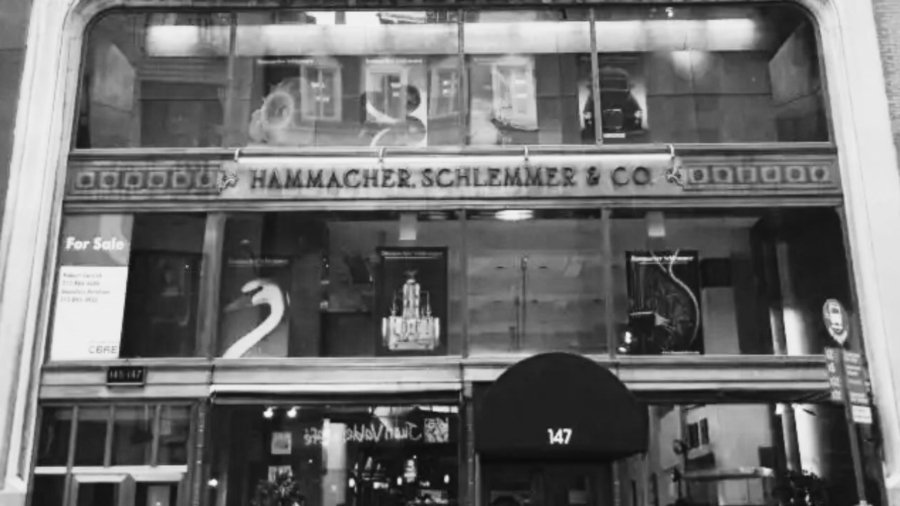
For most of its history, the company operated a flagship retail store on East 57th Street in New York City. Shoppers could walk in and test a massage chair or examine an unusual gadget in person. That experience was a genuine differentiator for the brand.
Over the decades, the company shifted its focus from hardware specialty to novelty and gadget catalog, and eventually moved toward ecommerce. Its headquarters relocated to Niles, Illinois. But the transition away from print catalogs proved harder than expected in a world increasingly dominated by Amazon and large online platforms.
The New York City flagship store closed around early 2016 when the lease was not renewed. That marked the quiet end of Hammacher Schlemmer’s physical retail presence — years before the corporate collapse that would follow.
The Acquisition That Did Not Save the Company
In August 2024, a Southern California investment firm called S5 Equity acquired Hammacher Schlemmer, with financing from Gordon Brothers. On paper, a new ownership group taking interest in a legacy brand can signal a turnaround. In practice, it did not unfold that way.
S5 Equity also acquired Heartland America in March 2025, positioning itself as building a growing ecommerce portfolio. The strategy appeared to be assembling catalog-era brands with established customer bases and reviving them in a digital format.
But by mid-2025, signs of serious financial trouble were hard to ignore. According to the Chicago Tribune, 21 employees were laid off through a brief video call — a significant share of the company’s workforce at that point. Vendors publicly stated they were owed money and expressed uncertainty about the company’s future.
This is a pattern worth understanding. An acquisition by a private equity firm does not guarantee a successful turnaround. Restructuring can be a step toward recovery, but it can also precede liquidation. In this case, it preceded liquidation.
The Official Going-Out-of-Business Sale in Late 2025
In October 2025, Gordon Brothers announced going-out-of-business sales across the Hammacher Schlemmer online store. Most items were discounted 20–50%, with clearance items marked up to 70% off. Seasonal promotions, including Halloween decor, were part of the initial push. The sale was expected to run through approximately December 2025.
The original Hammacher Schlemmer operating company effectively ceased to exist through this liquidation process. Employees had already been let go. Vendors were left managing unpaid balances. The corporate entity that had operated the brand for over 175 years was wound down.
Industry sources point to several contributing factors — not one single cause:
- Sustained competition from Amazon and large online retailers, which undercut niche catalogs on price, speed, and convenience
- Changing consumer behavior, particularly younger shoppers who never developed a relationship with print catalogs
- Pandemic-era supply chain disruptions and shifts in consumer spending that put further pressure on already thin margins
The business model had been under structural stress for years. The 2025 liquidation was the final outcome of that long-running pressure, not a sudden event.
The Difference Between a Company Closing and a Brand Surviving
This is the part that confuses most people — and it is worth explaining clearly.
When a company goes through liquidation, two things exist: the operating company (with its employees, leases, vendor contracts, and debts) and the brand assets (the name, trademarks, and intellectual property). These are separate. The operating company can be shut down while the brand name is sold to someone else entirely.
That is exactly what happened here. The original Hammacher Schlemmer company was liquidated. But the brand name was a separate asset that could be — and was — sold independently.
A useful comparison is Toys “R” Us. The original company went bankrupt and closed its U.S. stores. But the brand name later reappeared under new ownership in a different format. Hammacher Schlemmer followed a similar path.
In March 2026, a company called Stores.com — formerly known as Mercatalyst and associated with the founders of Woot.com and Meh — acquired the Hammacher Schlemmer brand. The new owner relaunched the brand with a focus on what it calls “discovery-driven” shopping: an online-first model built around unusual and giftable products, but structured more like a modern deals platform than a traditional catalog retailer.
So when people ask whether Hammacher Schlemmer is going out of business, the accurate answer depends on what they mean by “business.” The original company: yes, it went through liquidation and ceased operations. The brand name: no, it was acquired and relaunched under new ownership.
What This Means for Customers
For shoppers who purchased items during the going-out-of-business sale period, there are practical concerns worth understanding.
Liquidation sales typically operate on “all sales final” terms. Returns and warranty claims generally cannot be honored by the liquidating entity beyond whatever terms were stated at the point of sale. The original company that issued long-standing guarantees no longer exists in its prior form.
As for the relaunched brand under Stores.com: the new owner is not automatically responsible for obligations created by the previous corporate entity. That is standard practice in asset sales. If you have an older purchase or an outstanding warranty claim, the most practical step is to check the current terms on the relaunched Hammacher Schlemmer website directly and contact the new ownership team for clarification.
Gift cards and store credits from the pre-liquidation company are another area of uncertainty. Without explicit confirmation from the new owner that these will be honored, customers should not assume continuity. Again, checking directly with the current operator is the appropriate course of action.
What to Expect from the Relaunched Hammacher Schlemmer
Stores.com is led by Matt Rutledge, who founded Woot.com — one of the original daily-deals retail websites. The operating model at Woot and its successor platform Meh is built around rotating product selections, time-limited offers, and a curated, discovery-based experience. That background will likely shape how the Hammacher Schlemmer brand operates going forward.
Expect an updated website with tighter product curation, event-style merchandising, and digital-first marketing rather than a thick glossy catalog arriving in the mail. The brand’s reputation for unusual and hard-to-find products still has commercial value, and the new ownership appears to be betting on that.
What is not coming back: the New York City flagship store closed in 2016 and there is no credible reporting of new brick-and-mortar plans. The physical retail chapter of Hammacher Schlemmer’s story ended years ago.
For anyone tracking similar business transitions in the retail space, Steptobiz covers the broader patterns behind how legacy brands adapt, collapse, or reinvent themselves in the current business environment.
The Broader Lesson for Legacy Retail Brands
Hammacher Schlemmer’s story is not unique. Heritage brands with loyal customer bases can carry commercial value even after the operating company fails. What often gets liquidated is the debt-laden corporate structure. What survives — sometimes — is the name recognition and the customer trust built over decades.
Whether that trust translates into sustainable business under new ownership depends on execution. The Woot founders bring relevant experience in online-first, discovery-style retail. But past brand equity does not guarantee future success, and the new Hammacher Schlemmer will have to earn its place in a more competitive environment than the one the original company navigated for most of its history.
The Short Answer
The original Hammacher Schlemmer company went through going-out-of-business liquidation in late 2025 after a failed acquisition and mounting financial distress. Employees were laid off, vendors were left with unpaid balances, and the 175-year-old operating entity effectively closed.
The brand name was then acquired by Stores.com and relaunched in March 2026 under new leadership with a modern, online-first strategy. Customers shopping the new website are dealing with a different company than the one that sent catalogs for generations — one that carries the same name but operates under entirely different ownership, structure, and terms.
Understanding that distinction is the most important thing a customer or observer can take away from this story.
Also Read: