
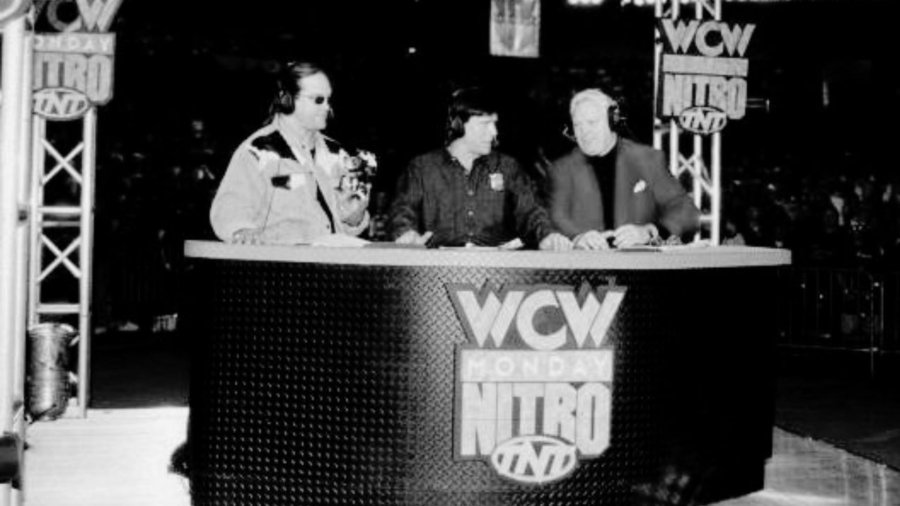
If you searched “Is WCW going out of business?” — the short answer is that it already did. WCW closed over two decades ago. But the story behind how a massively successful company collapsed so fast is worth understanding, whether you follow wrestling or just find business failures interesting.
This article covers when WCW ended, why it failed, who owns its assets now, and what real lessons its collapse offers.
WCW Is Already Out of Business — Here Is the Direct Answer
World Championship Wrestling (WCW) stopped operating as a promotion on March 26, 2001, when its final episode of Nitro aired. Shortly after, WWF — now known as WWE — purchased WCW’s key assets, including its name, trademarks, and tape library.
The remaining corporate shell was kept alive for legal reasons under the name Universal Wrestling Corporation. That entity was officially dissolved in 2017. WCW has no active operations today and does not exist as an independent promotion.
One quick note on naming: some people confuse WCW with World Class Championship Wrestling (WCCW), a separate Texas-based promotion that closed in 1990. These are two different companies. This article is about World Championship Wrestling, the Turner Broadcasting-owned promotion from the 1990s.
What WCW Was and How Big It Actually Got
To understand why the collapse was so striking, you need to know how successful WCW had been. This wasn’t a small regional outfit. It was a legitimate national competitor to the WWF, backed by Ted Turner’s Turner Broadcasting.
During the Monday Night Wars of the late 1990s, WCW’s flagship show, Nitro, beat WWF Raw in television ratings for 83 consecutive weeks. At its peak, WCW was generating hundreds of millions in revenue and was one of the most-watched programs on cable television.
Its New World Order (nWo) storyline — built around Hulk Hogan, Kevin Nash, and Scott Hall — became a genuine pop culture moment. It drove massive audience growth and made WCW feel like the hottest thing in entertainment for a stretch.
That success is what makes the collapse so instructive. WCW didn’t fail from obscurity. It failed from the top.
The Real Reasons WCW Failed as a Business
No single cause killed WCW. It was a combination of financial, creative, and organizational problems that built up over time and made the company too fragile to survive when the real blow came.
Financial Mismanagement
WCW signed aging stars to large guaranteed contracts. The problem was that these deals were not tied to performance, attendance, or revenue. Talent got paid whether or not the shows drew money.
When ratings and live event revenue started dropping, the cost structure didn’t adjust. WCW kept paying out big contracts while bringing in less. That gap became impossible to close.
Poor Creative Decisions
The nWo storyline worked brilliantly — for a while. But WCW stretched it far past its natural end. Instead of creating new stories and elevating new talent, they repeated the same angles with the same people.
Think of it like a TV show that uses the same plot twist every season until the audience gives up. WCW viewers started switching to WWF, which had reinvented itself with its Attitude Era and built new stars that audiences cared about.
WCW also failed to develop credible new top-level talent. The same established names stayed at the top too long, and younger wrestlers who could have carried the company weren’t given the chance.
Backstage Politics and Chaotic Decision-Making
Power struggles between executives, talent, and bookers made consistent decision-making almost impossible. Some established stars had contract clauses that gave them influence over their own storylines. That kind of arrangement makes it very hard to run a coherent creative strategy.
Leadership also changed frequently. The instability at the top filtered down through every part of the organization.
A useful analogy: imagine a sports franchise that keeps signing aging veterans to guaranteed deals, doesn’t develop younger players, and changes coaches every other season. You might win some games early, but the long-term dysfunction will catch up with you. That’s a reasonable parallel for what happened at WCW.
Overextension
WCW also launched a second weekly show, WCW Thunder, which split the roster and creative focus. It added costs while diluting the quality of the main product. More programming didn’t mean more value — it spread the same resources thinner.
How AOL Time Warner’s Corporate Decision Ended WCW’s TV Life
All the internal problems were serious. But the event that made WCW’s collapse final was external: the loss of its television platform.
WCW’s entire business model depended on prime-time slots on TNT and TBS. Those shows were where WCW reached its audience. They were also the main driver of revenue. Without TV, WCW had no way to operate at scale.
After AOL merged with Time Warner, new executives — particularly Jamie Kellner at Turner Broadcasting — decided that wrestling no longer fit their network strategy. They cancelled WCW’s programming. According to an Adweek report at the time, WCW was placed on hiatus pending a sale, with the final Nitro set as a cutoff point.
Once TNT and TBS pulled the plug, WCW lost its distribution. Without a major TV deal, the company’s value as a standalone business dropped sharply. Potential buyers who had been interested walked away when they found out they wouldn’t be getting a TV deal as part of any purchase.
This is an important business lesson that goes beyond wrestling: if your entire operation depends on one distribution channel or one major client, losing that relationship can end your business almost overnight. WCW had no backup plan. When Turner pulled out, there was nothing left to fall back on.
How WWE Bought WCW and What It Actually Got
With potential buyers gone and no TV deal on the table, WWF stepped in and purchased select WCW assets at a price that was widely reported as a fraction of what the company had been worth at its peak.
WWE acquired the WCW name, trademarks, intellectual property, the tape library, and some talent contracts. It did not take on WCW as a functioning, competing promotion.
The final episode of WCW Nitro on March 26, 2001, was simulcast with WWF Raw — a symbolic moment that marked the end of the Monday Night Wars and the start of WWE’s dominance as the sole major national wrestling company.
WWE has since used WCW content in documentaries, retrospectives, and its streaming platform. The WCW brand occasionally surfaces for nostalgia purposes, but it has no independent life of its own.
What Happened to WCW’s Wrestlers After the Closure
Many top WCW talents were signed by WWE after the purchase. Others went to independent promotions or joined new companies that emerged later, including TNA (now Impact Wrestling). Careers went in many directions depending on the individual.
The closure removed a significant negotiating advantage for performers. With only one major national promotion left, wrestlers had less leverage when it came to contracts and creative control. That shift affected the industry for years.
Business Lessons from WCW’s Collapse
WCW’s story is a useful case study for anyone interested in how businesses fail — not just wrestling companies.
- Guaranteed costs without performance conditions are dangerous. When revenue drops, those fixed costs keep going. WCW’s contract structure left it exposed.
- Success can breed complacency. WCW’s ratings dominance made executives and talent overconfident. They stopped innovating when they needed to most.
- Dependence on a single platform or client is a structural risk. WCW had no meaningful alternative to TNT and TBS. One corporate decision ended its access to audiences entirely.
- Creative stagnation kills audience retention. Repeating the same formula works until it doesn’t. WCW had no plan for what came after the nWo.
- Internal politics damage organizations slowly, then quickly. The power struggles at WCW didn’t cause an immediate collapse, but they prevented the kind of decisive action that might have turned things around.
For more practical business breakdowns like this, visit StepToBiz — the site covers real business topics in plain language.
The Bottom Line
WCW is not going out of business — it already went out of business in 2001, with its corporate remnant officially dissolved in 2017. WWE owns the brand, the tape library, and all related intellectual property.
The collapse wasn’t caused by one mistake or one bad actor. It came from years of financial mismanagement, creative stagnation, internal dysfunction, and ultimately a corporate decision by AOL Time Warner that pulled the TV platform WCW depended on to survive.
That combination — bloated costs, no strategic flexibility, and total dependence on one key relationship — is a pattern that applies well beyond wrestling. WCW’s fall is a clear example of what happens when a successful business stops adapting and assumes the good times will continue without doing the work to earn them.
Also Read: